
Re-keying Locks vs Lock Replacement: Which Is Best?
Re-keying locks is usually the best option when your existing locks are secure and in good condition, but you want old keys to stop working. Lock replacement is better when the lock is damaged, outdated or you want to upgrade your property's security. If you've recently moved into a new home, lost your keys or are concerned that someone may still have access, a professional locksmith can assess your current locks and determine whether rekeying or replacing them is the most secure and cost-effective solution.
Both options can restore control over who has access to your house or commercial property, but they solve different problems.
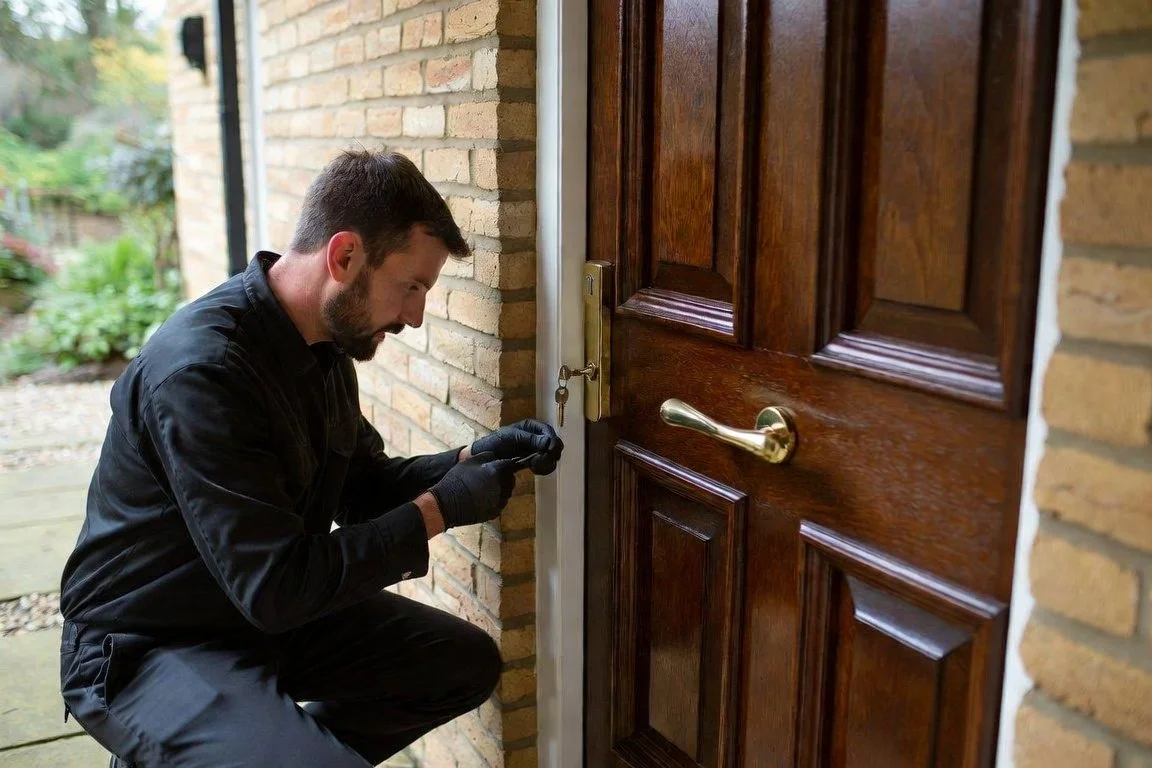
What Does Rekeying Your Locks Actually Mean?
The existing lock stays in place. When a professional locksmith rekeys a lock, they normally work with the lock cylinder rather than replacing the entire lock hardware. The internal key pins are rearranged or replaced with new pins so that they correspond to a new key.
Once the rekeying process is complete, your old key will no longer operate that cylinder lock. Only the new key, or another correctly cut matching key, should provide access.
Multiple locks may be able to use the same key. One useful reason for rekeying multiple locks is convenience. If compatible locks are from the same brand and use the same type of keyway, a locksmith may be able to configure them to operate using one key.
That can eliminate the inconvenience of carrying different keys for the front door, back door and other entrances. However, different brands, different types of lock and incompatible cylinders cannot necessarily be configured for a single key.
Rekeying doesn't automatically make an old lock stronger. This is an important distinction. Rekeying your locks changes which keys work, but it does not inherently provide higher security. If the current locks have outdated security features, damaged components or significant wear, replacing locks is likely to be the better option.
When Is Rekeying More Cost-Effective Than Changing Locks?
You've recently moved into a new property. Moving into a new home is one of the most sensible times to reconsider key access. Even if you've received a complete set of keys, you cannot know with certainty how many copies were made by previous owners, tenants, cleaners or contractors.
Having compatible locks rekeyed means the previous keys no longer work without necessarily paying for an entirely new lockset on every door.
You've lost a key. If lost keys could potentially be traced back to your property, simply having another copy made does not solve the security problem. Rekeying ensures that the missing old key can no longer provide access.
Your existing locks are still in good condition. There is little benefit in replacing good-quality lock hardware solely because you need different keys. In these circumstances, a professional rekey service can potentially save money and complete the job more quickly.
The exact cost depends on several factors, including the lock type, how many locks are involved and whether all the locks are compatible. US dollar estimates sometimes appearing in online searches are not particularly useful for UK homeowners. A professional locksmith should inspect your current locks and provide a price based on the actual work required rather than relying on a generic single figure.
Cambs Lock & Safe provides a range of professional locksmith services and can assess existing door locks to determine whether rekeying, repair or replacement is the appropriate solution.
When Should You Replace a Lock Instead?
The lock has been physically damaged. Rekeying cannot repair a broken cylinder, damaged lock hardware or a mechanism compromised during a break-in. If the lock itself is no longer secure, the priority should be replacing it.
You want a security upgrade. Because rekeying primarily changes key access, it does not transform an older lock into a modern higher-security product. Lock replacement gives you an opportunity to choose new locks with security features better suited to the property.
This can be particularly worthwhile if you have old locks that have been installed for many years or you're already reviewing security throughout the house.
The current locks aren't compatible. Rekeying multiple locks to work from the same key depends on the hardware being compatible. If your doors have a mixture of different brands and lock types, replacing certain locks may be necessary before a single-key arrangement can be created.
You have electronic locks or specialist hardware. Electronic locks and other modern security products operate differently from conventional pin-based cylinders. Changing user access may involve programming rather than a traditional rekeying process, so the appropriate solution depends on the specific product.
Should You Rekey a Lock Yourself?
Some products are specifically designed for easier rekeying, but standard locks often require specialist tools. The process may sound simple, but the pins inside a conventional cylinder need to correspond accurately with the specific key. Incorrect assembly can leave a lock unreliable or prevent the key from working altogether.
Hardware stores may sell DIY tools or compatible components, but that does not mean every lock is suitable for an easy procedure at home.
Professional assessment also identifies problems beyond the key. A locksmith can check whether the cylinder, door alignment and surrounding lock hardware are operating correctly. That matters because a key problem can sometimes be a symptom of wear or damage elsewhere in the mechanism.
If you're uncertain whether to rekey, repair or replace a lock, using a professional locksmith reduces the risk of damaging otherwise serviceable hardware and ensures the finished lock works correctly.
Rekeying or Replacing: Which Is Right for Your Property?
The best choice depends on what you're trying to achieve. If the main concern is preventing old keys from working and the current locks remain secure and compatible, rekeying can be a practical and cost-effective way to regain control of access.
If the hardware is damaged, outdated or you want better security, lock replacement is usually the more appropriate investment. It gives you new hardware rather than simply changing the key configuration within the existing lock.
For commercial properties, the decision may also depend on how many people require access. Several doors using different keys can become difficult to manage, so a locksmith can assess whether compatible locks could be keyed alike or whether another access arrangement would be more appropriate.
Cambs Lock & Safe works with domestic and commercial customers, providing lock repairs, replacements, key cutting and security solutions. If you're considering changing the locks at your property, their locksmith services can help determine the most suitable approach based on the locks already installed.
Need Help With Your Locks?
Rekeying locks can be a cost-effective option when your existing hardware is secure but you no longer want old keys to provide access. Lock replacement is the better choice when a lock is damaged or when you want to upgrade the security of the door.
Rather than automatically replacing all the locks, have the existing hardware assessed first. The right solution depends on its condition, compatibility and the level of security you want to achieve.
For professional advice on rekeying, lock repairs, replacement locks and key cutting, contact Cambs Lock & Safe to discuss the most appropriate way to keep your home or business secure.
