
Your door lock may need replacing if the key regularly sticks, the lock shows visible damage, the mechanism feels loose, your home has experienced an attempted break-in, or you cannot account for all existing keys. These warning signs can indicate mechanical wear or compromised security, leaving your property vulnerable to unauthorised access.
For homeowners in Cambridge, recognising these problems early can prevent unexpected lockouts, avoid further damage and help keep your home secure. Whether you have traditional timber doors or modern uPVC and composite doors, knowing when to repair or replace a faulty lock is essential.
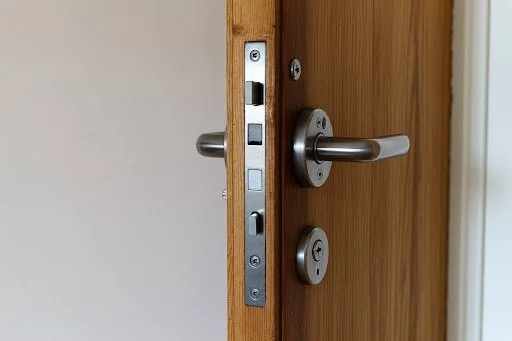
1. Why Is Your Door Lock Becoming Difficult to Turn?
A door lock that regularly sticks, jams or requires excessive force to operate may have worn internal components, accumulated debris or a misaligned locking mechanism. Occasional stiffness does not always mean you need a full replacement, but persistent difficulty turning the key is a clear warning sign that the lock needs professional attention.
Internal wear can lead to complete lock failure. Every time you insert and turn a key, the internal components of the lock experience friction. Over time, springs, pins and other moving parts can deteriorate, particularly in locks that are used several times a day.
If the lock feels unusually stiff or produces grinding or clicking noises, the mechanism may be wearing out.
Door alignment can also cause locking problems. This is particularly common with uPVC and composite doors, where changes in temperature or worn hinges can affect how the locking points engage with the frame.
A professional locksmith can determine whether the problem involves the cylinder, door alignment or internal mechanism.
Avoid forcing a key that will not turn. Excessive pressure can cause the key to snap inside the lock, creating a more expensive repair and potentially leaving you locked out.
2. What Visible Damage Means Your Door Lock Needs Replacing?
Visible rust, corrosion, cracks or loose components can indicate that a door lock has deteriorated and may no longer operate reliably. Locks fitted to external doors are particularly exposed to moisture and changing weather conditions, which can gradually affect their mechanical performance.
Rust and corrosion can damage internal components. External locks on timber doors, garages and exposed entrances may develop corrosion if moisture enters the mechanism. Rust can interfere with moving parts and make the lock increasingly difficult to operate.
Surface discolouration does not always require replacement, but significant corrosion should be professionally assessed.
A loose handle or lock cylinder deserves attention. If your door handle feels loose, the cylinder moves within its housing or the lock no longer sits securely against the door, the problem could involve worn fixings or damaged hardware.
A loose handle alone may only require adjustment, but movement within the lock mechanism can indicate a more serious fault.
Physical damage can compromise security. A visibly damaged lock may not provide the same resistance to forced entry as a properly functioning replacement.
For homeowners with older properties around Cambridge, including Victorian terraces and traditional timber doors, regular inspections can help identify deterioration before it affects security.
3. Should You Replace Your Door Lock After a Break-In?
Yes. If your door lock has been damaged or tampered with during a break-in or attempted break-in, replacing the affected lock is generally the safest option. Forced entry can compromise internal components even when the damage is not immediately visible, making it difficult to know whether the existing lock remains secure.
An attempted break-in can weaken the mechanism. Intruders may apply force to the cylinder, handle or surrounding door hardware. This can damage internal components or weaken the way the lock is secured within the door.
Even if the key still turns, the lock may no longer provide reliable protection.
Check the entire door, not just the cylinder. Damage to the door frame, strike plate or multipoint locking mechanism can also affect security.
A professional locksmith should inspect the affected components and determine whether a lock replacement, additional repairs or a wider security upgrade is required.
Consider upgrading to high-security locks. For suitable uPVC and composite doors, anti-snap euro cylinders can provide additional protection against cylinder snapping.
Cambs Lock & Safe provides professional locksmith and lock replacement services, helping homeowners assess damaged locks and restore security following an attempted break-in.
If a burglary has occurred, contact the police before disturbing potential evidence or carrying out repairs, unless immediate action is necessary for safety.
4. Are Older Door Locks Putting Your Home at Risk?
Older locks can become a security risk when their components deteriorate or their design lacks the protective features available in modern high-security locks. However, age alone does not determine whether a lock is secure. Its condition, certification, installation and resistance to common forced-entry techniques are more important.
Locks can deteriorate through years of use. Door locks that have been in continuous operation for seven to ten years or longer may benefit from a professional inspection, particularly if they are becoming difficult to operate.
There is no universal replacement deadline. A well-maintained lock can remain effective for considerably longer, while a poorly installed or heavily used lock may fail much sooner.
Older euro cylinders may lack anti-snap protection. Some traditional euro cylinder locks do not offer the same resistance to snapping as modern security-rated alternatives.
For compatible doors, choosing a cylinder with recognised anti-snap protection can improve security without requiring an entirely new door.
Check your insurance requirements. Some home insurance policies specify particular lock standards for external doors.
For example, BS 3621 is commonly associated with key-operated locks on suitable external doors, while other standards may apply to different locking systems. The correct specification depends on your door type and insurance policy.
A professional locksmith can recommend appropriate security upgrades rather than automatically replacing every older lock.
5. Should You Replace Your Door Lock When Moving Into a New Home?
Yes, changing your door locks when moving into a new property is a sensible security precaution, even if the existing locks appear to work perfectly. Previous owners, tenants or contractors may still possess spare keys, meaning you cannot be certain who has access to your new home.
You cannot account for every existing key. When purchasing a property, you may receive several sets of keys from the previous owners. However, there is no guarantee that additional copies have not been made.
Replacing the locks gives you control over which keys can open your doors.
Lost or stolen keys create a similar security risk. If your keys have disappeared and could be associated with your address, changing the affected locks is advisable.
In some cases, a locksmith may be able to rekey a compatible lock rather than replacing the entire mechanism. However, if the existing hardware is worn or outdated, full replacement may offer better long-term value.
Review the locks throughout your new property. Many homeowners focus on the front door, but rear entrances, garage doors and accessible external doors deserve equal attention.
For those moving into a new home in Cambridge, including areas such as Cherry Hinton, Trumpington and Chesterton, arranging a professional lock assessment can help identify any immediate security concerns.
Should You Repair or Replace a Faulty Door Lock?
A faulty door lock does not always need replacing. Minor alignment problems, loose fittings and certain mechanical faults can often be repaired. However, full replacement is generally recommended when the lock has sustained significant internal damage, has been compromised by forced entry or no longer provides an appropriate level of security.
A professional locksmith can inspect the mechanism and recommend the most cost-effective solution.
For example, a stiff uPVC door may only require adjustment to its hinges or locking points. If the gearbox has failed, the affected component may need replacing without requiring an entirely new door.
Cambs Lock & Safe offers uPVC door lock repairs and replacements in Cambridge, including work on multipoint mechanisms, cylinders and handles. The company also supplies and fits replacement locks for timber and other external doors.
If you're concerned about costs, ask for an assessment and quotation before agreeing to the work. The final price depends on the lock type, replacement parts and labour required.
Keep Your Cambridge Home Secure With Cambs Lock & Safe
Recognising the five signs you need your door lock replaced can help prevent unexpected lockouts and reduce security risks. Whether you're experiencing persistent stiffness, visible damage, a loose mechanism, the consequences of an attempted break-in or uncertainty about existing keys, addressing the problem early is the safest approach.
Established in 1991, Cambs Lock & Safe provides professional locksmith services for homeowners and businesses throughout Cambridge and the surrounding areas. Its team handles lock repairs, replacements, key cutting and security upgrades, with emergency assistance available subject to staff availability.
If your door lock is showing warning signs, contact Cambs Lock & Safe or call 01223 353077 for expert advice and a free quotation.