What Should You Do If You're Locked Out of Your Cambridge House?
Few things are more frustrating than realising you're standing outside your house with no way to get back in. Whether you've lost your keys, left your house keys inside, or are dealing with a broken lock, being locked out can quickly turn into a stressful situation.
At Cambs Lock & Safe, we regularly help homeowners across Cambridge regain access to their property safely and efficiently. As experienced locksmiths, we've seen every type of lockout imaginable, from misplaced keys and stuck locks to damaged door mechanisms and failed security systems.
If you're wondering what to do when you're locked out of your Cambridge house, the most important thing is to stay calm. Panic often leads people to make costly mistakes that damage the door, frame, lock, or window, resulting in a far more expensive repair than necessary.
In this guide, we'll explain the safest steps to take, when to contact a professional locksmith, and how to avoid finding yourself locked out again in the future.
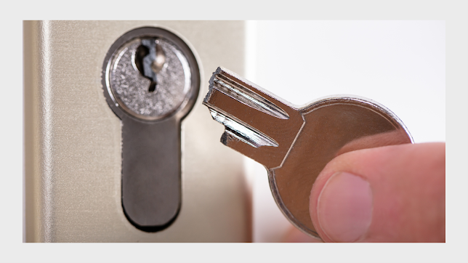
Stay Calm and Assess the Situation
The first thing we always advise is to stay calm and carefully assess the situation.
Before you start worrying, double-check the facts:
Have you genuinely lost your keys?
Have your keys fallen out of your pocket or bag?
Are your keys inside the house?
Is the lock stuck or damaged?
Have you accidentally left another door unlocked?
Taking a few moments to assess the situation can prevent unnecessary panic and help you identify the quickest solution.
Many people assume they're completely locked out, only to discover that a side door, garage entrance, or rear access point is still available.
Double Check All Possible Entry Points
Before calling a locksmith, check every accessible entry point around your property.
You may find:
An unlocked back door
A garage door with access
A secure side entrance
An accessible ground-floor window
However, it is important not to force entry.
Attempting to push, pull, lift, or slide a locked door open can cause significant damage to both the lock and frame. We've attended many emergency callouts where customers spent hours trying online fixes, only to create a much bigger repair bill.
If no safe access point exists, it is usually best to contact a locksmith immediately.
What If Your Keys Are Inside the House?
One of the most common reasons people get locked out is leaving their keys inside.
It happens more often than you might think:
Taking the bins out
Collecting a delivery
Walking the dog
Leaving the house in a hurry
Modern doors often feature self-latching mechanisms that lock automatically when closed.
If your keys are inside, avoid attempting to unlock the door using a hard plastic card, screwdriver, or improvised tool. While online videos may make these methods look simple, most modern locks are designed to prevent this type of entry.
In many cases, a professional locksmith can gain entry far more safely and quickly.
Never Force a Locked Door
When you're locked out, you might be tempted to try to fix the problem yourself.
Unfortunately, forcing a locked door is rarely successful and often causes expensive damage.
Common DIY attempts include:
Using a screwdriver
Using a hard plastic card
Trying to remove the doorknob
Prying the frame
Attempting entry through a window
These methods can:
Break the lock
Damage the frame
Void warranties
Reduce home security
Result in injury
We've seen homeowners spend significantly more on repairs after attempting DIY entry than they would have spent on a professional locksmith service.
Contact Someone With a Spare Key
If you've arranged for a family member, trusted friend, neighbour, landlord, or property manager to hold a spare key, now is the time to contact them.
A spare key is often the quickest and most cost-effective solution.
If you don't currently have a spare key arrangement, it's something we strongly recommend once you've regained access to your property.
What If You're Locked Out at Night?
Getting locked out at night can feel particularly worrying.
If you're outside your property after dark:
Stay in a well-lit area
Keep your phone charged
Contact someone you trust
Consider waiting with a neighbour or family member
Avoid attempting entry alone
If young children, vulnerable adults, or pets are inside the property, explain the situation when calling a locksmith.
In genuine emergencies involving immediate danger, you may need to contact emergency services.
Call a Professional Locksmith
When there is no spare key available, calling a professional locksmith is usually the safest option.
At Cambs Lock & Safe, our team provides emergency locksmith services throughout Cambridge and the surrounding areas.
Our goal is always to gain entry using non-destructive techniques wherever possible, helping you avoid unnecessary damage and additional costs.
Why Choose a Professional Locksmith?
A professional locksmith has specialist tools and training that allow us to:
Gain entry safely
Unlock damaged locks
Repair broken mechanisms
Upgrade outdated locks
Improve property security
Provide expert advice
We recommend choosing a locksmith who is properly vetted and ideally accredited by organisations such as the Master Locksmiths Association.
Rather than risking damage to your door or lock, a qualified locksmith can often resolve the issue quickly and efficiently.
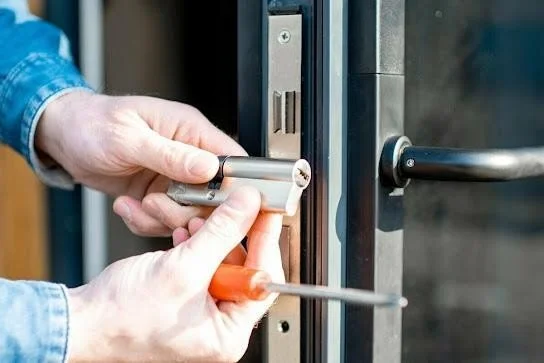
Common Lock Types We See in Cambridge Homes
Over the years, we've worked on virtually every type of residential lock.
Common examples include:
Standard Spring Bolt Locks
These are commonly found on front doors and often engage automatically when the door closes.
Roller Rim Locks
Roller rim locks are often fitted to older properties and require specialist knowledge when access is needed.
Mortice Locks
A popular choice for external doors due to their security and durability.
UPVC Multi-Point Locks
Frequently used on modern homes and patio doors.
Door Restrictors
Designed to limit how far a door can open, often used as an additional security feature.
Understanding the type of lock involved helps determine the safest entry method.
What Happens When We Arrive?
Many customers are surprised by how quickly a locksmith can resolve a lockout.
Our process typically includes:
Verifying ownership or access rights.
Assessing the lock and door.
Selecting the most appropriate entry method.
Gaining entry safely.
Testing the lock.
Completing any necessary repair work.
Where possible, we aim to avoid replacing the lock unnecessarily.
Can Home Insurance Cover Locksmith Costs?
Some home insurance policies include emergency assistance cover.
Depending on your policy, you may be able to claim for:
Emergency locksmith callouts
Lock replacement
Temporary security measures
Certain repair costs
Always check your policy documents or contact your insurer for clarification.
How to Prevent Future Lockouts
Nobody plans to get locked out, but there are several simple steps that can help.
Keep a Spare Key
Leave a spare key with someone you trust.
Check Before Leaving
Get into the habit of checking for your keys, wallet, phone, and bag before closing the door.
Upgrade Your Security
Modern locks and access systems can reduce the risk of future lockouts.
Replace Worn Keys
Damaged keys are more likely to break inside a lock.
Save a Locksmith's Number
Having a trusted locksmith's contact details saved in your phone can save valuable time during an emergency.
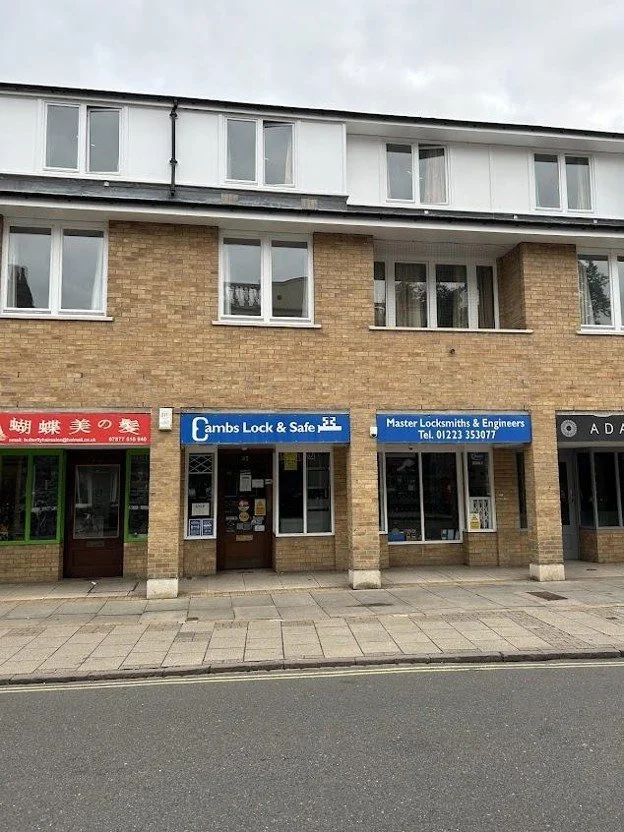
Why Cambridge Homeowners Choose Cambs Lock & Safe
As a local locksmith company, we've built our reputation on reliability, expertise, and customer service.
Whether you've lost your keys, locked your keys inside, have a stuck lock, or need urgent emergency assistance, our team is here to help.
We understand how stressful lockouts can be, which is why we focus on providing a fast, professional, and dependable service whenever you need us.
Frequently Asked Questions
-
In many situations, yes. A professional locksmith can often gain entry using non-destructive methods, depending on the lock type and security features.
-
Stay calm, double check alternative access points, and contact a locksmith if you cannot safely regain entry.
-
Costs vary depending on the lock type, time of day, and complexity of the job. A locksmith will normally provide guidance before attending.
-
Some home insurance policies include emergency home assistance cover. Check your policy documents for specific details.
-
If you've lost your keys and are concerned about security, we recommend having the lock assessed and potentially replaced to protect your property.
Disclaimer
This article is intended for general information purposes only and should not be considered security, legal, or insurance advice. Every lockout situation is different. If you require urgent assistance, contact a qualified locksmith or the relevant emergency services where appropriate.