What Is a Lock Guard, and Do You Need One?
If you’ve ever looked at your front door after a spate of local break-ins and wondered what extra protection is worth adding, a lock guard is often one of the first upgrades a locksmith will mention. It’s simple and visible, and when correctly specified for the door and cylinder, it can make common attack methods significantly harder.
At Cambs Lock & Safe, we supply and fit lock guards across Cambridge and the surrounding areas as part of practical, proportionate security upgrades. In this guide, we explain what a lock guard is, how it works, and how to decide whether it’s the right addition for your property.
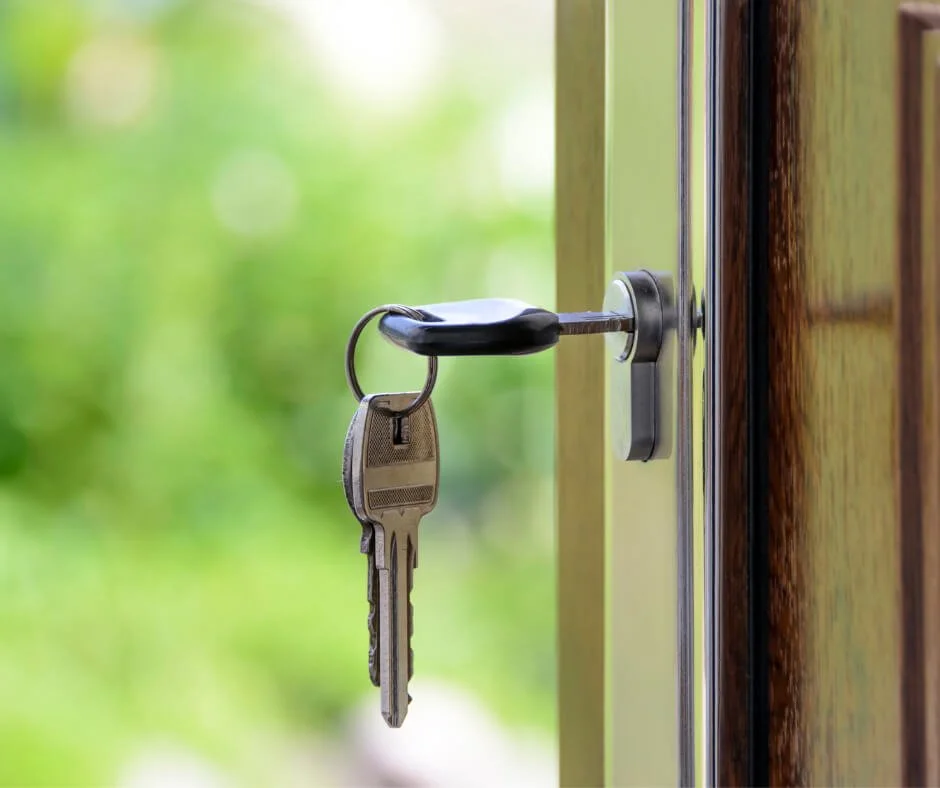
What Is a Lock Guard?
A lock guard is a piece of protective door furniture designed to shield the lock cylinder and the surrounding area from attack. In most domestic properties, it is used to protect Euro profile cylinders against common methods such as snapping, pulling, drilling, and wrenching.
You may also hear lock guards referred to as:
cylinder guards
cylinder protectors
security escutcheons
The principle is straightforward. Instead of leaving the cylinder exposed and easy to grip with tools, a lock guard reinforces the area around it, limiting leverage and access. Many designs also feature hardened materials and concealed fixings to resist drilling and forced removal.
Lock guards are often discussed alongside TS 007-rated cylinders and door handles, as modern attack methods have driven the need for tested standards and better protective hardware.
Why Lock Guards Have Become More Relevant
Modern burglary techniques, particularly cylinder snapping, have made exposed cylinders a common target. Industry guidance around TS 007 specifically addresses resistance to these newer attack methods.
A lock guard can contribute to improved security in two key ways:
Physical protection: It shields the cylinder, making it harder to grip and snap.
System-based security: On certain doorsets, it forms part of a coordinated setup where the cylinder, handle, and protective hardware are designed to work together rather than as unrelated components.
Initiatives such as Secured by Design also reference associated hardware that helps protect cylinders from attack, which is where well-matched lock guards can play a role.
Do You Need a Lock Guard?
You don’t always need one, but there are clear situations where fitting a lock guard is a sensible upgrade.
When a Lock Guard Is Often Recommended
Protruding cylinders: If your cylinder sticks out from the handle, it’s easier to grip with tools. A lock guard can significantly reduce this vulnerability.
uPVC or composite doors with standard Euro cylinders: On many of these doors, the cylinder is the weakest point. Additional protection can be worthwhile.
Older or non–TS 007-rated hardware: If your door furniture hasn’t been upgraded, a lock guard may form part of a broader security improvement plan. Guidance from the DHF often highlights the importance of uprating cylinders and handles together.
Higher-security specifications: If you’re upgrading towards PAS 24, Approved Document Q, or Secured by Design-aligned standards, protective hardware should be considered as part of the overall doorset performance, not in isolation.
Higher-risk properties or previous tampering: Ground-floor flats, side access doors, or properties with valuable equipment can benefit from a lock guard as a proportionate way to increase attack time and deter opportunistic entry.
What a Lock Guard Does and Does Not Do
A lock guard is a protector, not a standalone solution.
What It Can Do
Make the cylinder harder to grip
Limit leverage and tool access
Deter opportunistic attacks
Add resistance when combined with a quality anti-snap cylinder and suitable door furniture
What It Cannot Do
Compensate for a poorly fitted lock
Fix a low-quality or incorrectly sized cylinder
Secure a warped or misaligned door
Turn a weak door into a secure one on its own
Effective door security comes from the whole system: the lock, cylinder, handles, keeps, door, and frame all working together. This is why we assess the full setup before recommending individual components.
Choosing the Right Lock Guard
Compatibility is critical. Doors vary in thickness, cylinder length, handle design, and fixing positions, so a lock guard must be suitable for the specific door and hardware.
Key considerations include:
Correct fit for the cylinder profile
No interference with key operation or emergency exit requirements
Concealed fixings rather than exposed external screws
Ensuring the cylinder does not project beyond the guard
Some lock guards are designed to work as part of tested doorsets and may contribute to certification when installed correctly within a complete system.
Installation and Common Mistakes to Avoid
A lock guard should sit flush, be securely fixed, and leave no movement that tools could exploit.
Common problems we see with DIY fitting include:
Incorrect sizing
Misalignment causing stiff or unreliable key operation
Fitting a guard over an already compromised or unsuitable cylinder
On multi-point lock systems, door adjustment is also essential. Even the best lock guard won’t help if locking points don’t engage correctly or the door doesn’t close as designed.
Final Thoughts
So, what is a lock guard, and do you need one? A lock guard is a practical security upgrade that protects one of the most frequently attacked parts of an external door: the cylinder area.
You’re most likely to benefit if:
Your cylinder protrudes
Your hardware is older or not TS 007-rated
You want a stronger, system-based approach to door security
If you’re unsure, Cambs Lock & Safe can assess your door, cylinder, handles, and overall setup and recommend the most appropriate solution. In some cases, a lock guard is the right answer.
Disclaimer
This blog provides general guidance only and does not constitute legal, insurance, or security risk advice. Security requirements vary by property type, location, existing door and lock condition, and insurance policy terms. Always use a qualified locksmith to assess compatibility and installation requirements, and check your insurer’s conditions before making changes to locks or door security.