Smart Lock with Auto Locking: SmarterSecurity for Modern Homes
A smart lock with auto-locking is rapidly becoming a preferred upgrade for homeowners who want greater control, convenience and peace of mind. Unlike a traditional door lock that relies entirely on physical keys, smart locks combine automatic locking, remote access and smart functionality to secure your front door without constant manual checks.
As smart home systems continue to evolve, choosing the right smart lock requires a clear understanding of features, compatibility and security standards. When properly installed and configured, automatic locking technology can significantly reduce the risk of leaving your house unsecured.
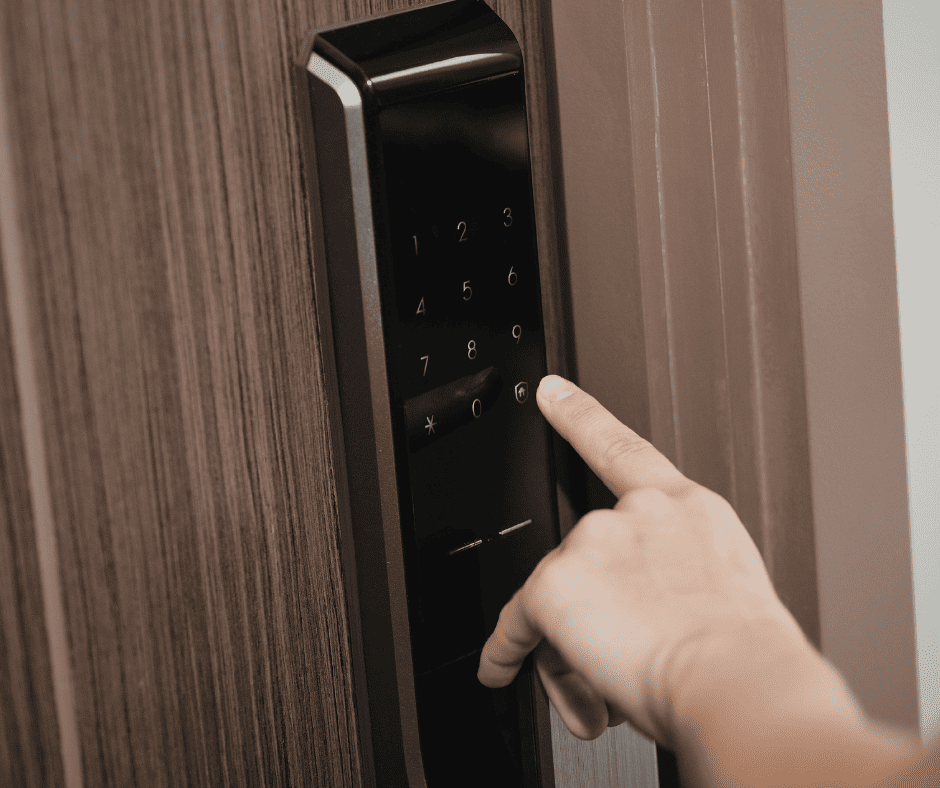
How Auto Lock and Automatic Locking Work
An auto-lock feature ensures that the door automatically locks after it is closed. Once the latch engages and the door-closed sensor confirms the position, the lock activates after a preset delay. This prevents the common worry of forgetting to lock the front door when leaving in a rush.
Automatic locking can be configured through a dedicated app, allowing the user to set specific days or certain times when the door should easily lock. This is particularly useful for busy households, office environments or properties where multiple devices and users require structured access.
Most smart locks are battery-powered and operate via built-in Wi-Fi or Bluetooth. The integration of Wi-Fi connectivity enables remote access, allowing you to unlock your door from a smartphone even when you are in a different country. This level of control is a significant upgrade from conventional deadbolt systems.
Remote Access and Smart Home Integration
Remote access is one of the most valuable smart features available. Through a secure internet connection, users can monitor, track and control their lock in real time. Email notifications and push alerts confirm when the door is locked or unlocked, adding an extra layer of security.
Leading manufacturers such as Yale Home UK and Nuki have developed systems that integrate seamlessly with smart home ecosystems. Products compatible with Google Home and Amazon Alexa enable voice control, allowing you to lock or unlock using voice commands through devices like Amazon Echo or Google Assistant.
For Apple users, compatibility with Apple HomeKit ensures integration across smart home systems. This unified control enhances convenience while maintaining secure communication protocols.
Personalised Access Without Physical Keys
Smart locks reduce reliance on physical keys, which are easily lost or copied. Instead, personalised access can be granted through a keypad, fingerprint recognition, smartphone app or temporary digital key.
Homeowners can enable access for family members, guests or tradespeople on specific days and at certain times. For example, a cleaner may have entry every Wednesday between set hours, while a relative can unlock the door during holidays. Once access is no longer required, permissions can be removed instantly.
This flexibility eliminates the need to cut duplicate keys and improves security by reducing uncontrolled distribution. It also prevents the common inconvenience of keys left inside the house.
Security Considerations and Industry Standards
Security remains the primary concern when upgrading to a smart door lock. Reputable brands ensure encryption standards comparable to online banking systems. Many models are tested to meet recognised British Standards for mechanical performance, particularly where a smart lock integrates with a traditional deadbolt.
While government regulation specific to smart locks is limited in the UK, physical components often align with established lock standards to maintain insurance compliance. Professional installation is essential to ensure the latch, lever, door handle and internal lock mechanism align correctly, particularly on external doors.
Smart functionality should complement, not compromise, core mechanical security. A properly installed smart lock should remain secure even if internet connectivity is temporarily unavailable.
Built-In Wi-Fi, Bluetooth and Connectivity Range
Connectivity is central to performance. Built-in Wi-Fi allows direct internet access without additional hubs, while Bluetooth offers secure local communication when your smartphone is within range.
Range varies depending on property layout and signal strength. Thick walls or interference from other devices may affect performance. Professional assessment can identify the best smart locks for a specific house layout, ensuring consistent operation without connectivity gaps.
Battery-powered systems typically provide advance warnings via app notifications when power levels are low, reducing the risk of unexpected lockouts.
Convenience Without Compromising Control
The convenience of automatic locking is clear. You can easily lock the front door without turning a key, use voice control when your hands are full, and monitor entry while away from home. In busy households or offices, this level of control offers reassurance.
Smart locks also allow you to monitor activity logs, track access events and respond immediately if unusual activity occurs. Combined with wider smart home systems, they contribute to an integrated security environment that enhances both practicality and peace of mind.
However, installation and configuration must be handled carefully. Poor fitting or incorrect setup may lead to alignment issues or compromised locking performance.
Professional Installation and Ongoing Support
Upgrading to a smart lock with auto-locking is not simply a matter of fitting a new device. Door type, existing deadbolt configuration, latch alignment and compatibility with your chosen smart home system must all be assessed.
For homeowners considering an upgrade, Cambs Lock & Safe offers professional guidance and secure installation through its dedicated lock installation services. In situations where existing hardware requires attention before integration, expert lock repair services ensure the door and mechanism remain fully secure.
For those exploring broader improvements to home protection, comprehensive home security solutions provide tailored advice that integrates smart locks with the overall security strategy.
Conclusion
A smart lock with auto-locking combines security, convenience and intelligent control. From remote access and voice commands to personalised access schedules, modern smart locks offer a substantial upgrade over traditional systems.
When selected carefully and installed correctly, they provide reliable protection while reducing everyday worry about whether the door is secure. For expert advice, supply and installation tailored to your property, Cambs Lock & Safe delivers professional smart lock solutions designed for long-term performance and peace of mind.